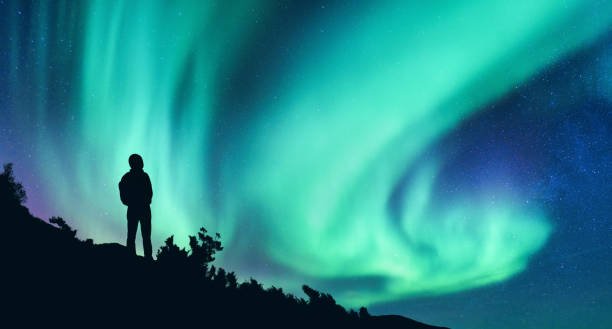
The Northern Lights are one of the most beautiful natural phenomena in the world. Their colorful waves of green, purple, pink, and blue dancing across the night sky attract travelers from every corner of the globe. If seeing this magical display is on your bucket list, this Northan Light Guide will help you understand everything you need to know before planning your journey.
What Are the Northern Lights?
The Northern Lights, also known as Aurora Borealis, occur when charged particles from the sun collide with gases in the Earth’s atmosphere. These collisions create glowing patterns of light that appear in the sky.
The colors vary depending on the type of gas involved:
- Green is the most common color.
- Purple and pink appear at higher altitudes.
- Blue can sometimes be seen during strong aurora activity.
- Red is rarer and often appears during intense solar events.
The result is a breathtaking natural light show that can last from a few minutes to several hours.
Why Use a Northan Light Guide?
Many people travel long distances hoping to see the Northern Lights, but success depends on several factors. A reliable Northan Light Guide helps travelers understand:
- The best time of year to visit.
- Ideal weather conditions.
- Top viewing locations.
- Photography tips.
- Common mistakes to avoid.
Having the right information can make the difference between an unforgettable experience and a disappointing trip.
Best Time to See the Northern Lights
Timing plays a major role in aurora viewing. The Northern Lights can be visible throughout much of the year in northern regions, but darker skies provide the best opportunities.
Peak Viewing Season
The most popular months include:
- September
- October
- November
- December
- January
- February
- March
These months offer long nights and darker skies, making aurora sightings more likely.
Best Time During the Night
Most sightings occur between:
- 9:00 PM and 2:00 AM
However, activity can happen at any time during the night, so patience is important.
Top Locations for Northern Lights Viewing
Choosing the right destination is essential. Areas located close to the Arctic Circle generally provide the highest chances of seeing the aurora.
Norway
Norway offers dramatic landscapes combined with excellent aurora visibility. Coastal regions and northern towns are particularly popular among travelers seeking clear views.
Iceland
Iceland is known for its stunning scenery and accessible viewing locations. The combination of waterfalls, mountains, and aurora displays creates unforgettable memories.
Finland
Finland provides peaceful surroundings and comfortable accommodations. Snow-covered forests and frozen lakes make the experience even more magical.
Sweden
Sweden attracts visitors with its beautiful wilderness areas and reliable Northern Lights activity during winter months.
Canada
Several northern regions of Canada experience strong aurora activity and offer wide-open skies perfect for viewing.
Weather Conditions That Matter
Even during peak season, weather conditions can affect visibility.
For the best experience, look for:
- Clear skies.
- Low cloud cover.
- Minimal light pollution.
- Stable weather forecasts.
Many travelers check aurora forecasts and weather updates daily during their trip.
How Long Should You Stay?
One of the most common questions in any Northan Light Guide is how many days are needed.
A stay of at least:
- 3 to 5 nights is recommended.
- 7 nights provides even better chances.
Since aurora activity and weather can change quickly, staying longer improves the likelihood of a successful sighting.
Essential Clothing and Gear
Northern Lights destinations often experience extremely cold temperatures. Dressing properly ensures a comfortable experience.
Recommended Clothing
- Thermal base layers.
- Insulated jacket.
- Waterproof outer layer.
- Warm hat.
- Gloves.
- Thick socks.
- Winter boots.
Layering is important because you may spend several hours outdoors waiting for the lights to appear.
Useful Equipment
- Tripod.
- Camera with manual settings.
- Extra batteries.
- Headlamp with red light mode.
- Portable power bank.
Cold weather can drain batteries faster than normal, so carrying extras is always a good idea.
Photography Tips for the Northern Lights
Capturing the aurora requires some preparation. Following a few basic techniques can greatly improve your results.
Camera Settings
Try these settings as a starting point:
- Use a tripod.
- Set a high ISO.
- Use a wide aperture.
- Select a slow shutter speed.
- Focus manually on distant objects.
Composition Ideas
Include natural elements such as:
- Mountains.
- Lakes.
- Snow-covered trees.
- Cabins.
- Reflections in water.
Foreground subjects can make aurora photographs more dramatic and visually appealing.
Common Mistakes to Avoid
Many travelers make simple mistakes that reduce their chances of success.
Avoid the following:
- Visiting during bright summer months.
- Staying in areas with heavy city lights.
- Ignoring weather forecasts.
- Leaving too early if the sky appears quiet.
- Wearing inadequate winter clothing.
Patience is often rewarded when it comes to Northern Lights viewing.
Understanding Aurora Forecasts
Aurora forecasts help predict geomagnetic activity. While they cannot guarantee sightings, they provide useful information.
Important factors include:
- Solar activity levels.
- Cloud coverage.
- Darkness of the sky.
- Geomagnetic conditions.
Checking forecasts regularly allows travelers to plan viewing sessions more effectively.
Making the Most of Your Northern Lights Trip
A successful aurora trip involves more than simply watching the sky.
Consider:
- Booking accommodations away from bright city lights.
- Joining local viewing tours.
- Planning multiple viewing nights.
- Learning basic photography techniques.
- Monitoring weather updates daily.
A flexible schedule can significantly increase your chances of witnessing a strong aurora display.
Final Thoughts
The Northern Lights remain one of nature’s most remarkable spectacles. With proper planning, patience, and realistic expectations, travelers can greatly improve their chances of experiencing this extraordinary event. This Northan Light Guide provides the essential information needed to prepare for an unforgettable journey. By choosing the right season, selecting a suitable destination, monitoring weather conditions, and staying prepared for cold temperatures, you can enjoy one of the most breathtaking sights the night sky has to offer.
Frequently Asked Questions
1. What is the best month to see the Northern Lights?
The best months to see the Northern Lights are typically from September to March, when nights are longer and skies are darker in northern regions.
2. Which countries are best for viewing the Northern Lights?
Popular destinations include Norway, Iceland, Finland, Sweden, and Canada, as these locations offer excellent opportunities to witness aurora activity.
3. Can I see the Northern Lights with the naked eye?
Yes, the Northern Lights are often visible to the naked eye. Their brightness and color intensity depend on weather conditions and aurora activity levels.
4. How many nights should I plan for a Northern Lights trip?
A stay of at least 3–5 nights is recommended. Spending more time increases your chances of experiencing clear skies and strong aurora displays.
5. Do I need special equipment to photograph the Northern Lights?
A camera with manual settings and a tripod are highly recommended for capturing high-quality Northern Lights photos. Extra batteries are also useful in cold weather conditions.