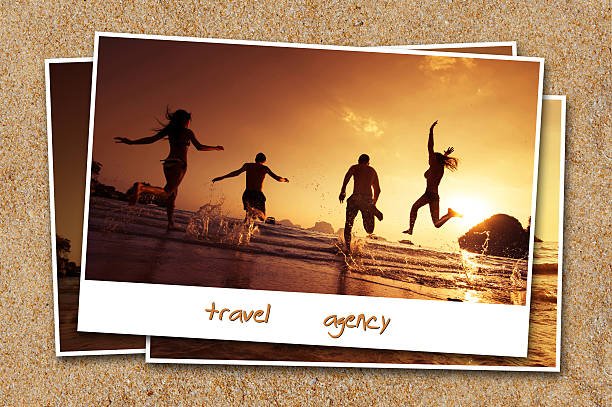

Travel is one of the most rewarding experiences in life. It allows people to visit new places, meet different cultures, enjoy beautiful scenery, and create lasting memories. Whether it is a short weekend getaway or a long international trip, travel brings excitement and learning opportunities that cannot be found in everyday routines.
Many people travel for relaxation, adventure, business, education, or family gatherings. Regardless of the purpose, proper planning helps make every journey smoother and more enjoyable. Understanding how to prepare, budget, and organize your trip can save time, reduce stress, and improve the overall experience.
Why Travel Is Important
Travel offers much more than a change of location. It provides valuable experiences that help individuals grow personally and socially.
Some major benefits of travel include:
- Exposure to different cultures and traditions
- Better understanding of the world
- Reduced stress and mental fatigue
- Improved confidence and independence
- Opportunities to create unforgettable memories
- Stronger relationships with family and friends
- New perspectives on life and personal goals
When people step outside their daily environment, they often gain fresh ideas and renewed energy. This is one reason why travel remains a popular activity across all age groups.
Choosing the Right Destination
Selecting the right destination is one of the most important parts of travel planning. The destination should match your interests, budget, available time, and travel goals.
Before making a decision, consider the following factors:
Budget
Determine how much you are willing to spend on transportation, accommodation, food, activities, and shopping. Choosing a destination that fits your budget helps prevent unnecessary financial stress.
Weather Conditions
Check seasonal weather patterns before booking your trip. Pleasant weather can significantly improve your travel experience.
Travel Duration
The amount of time available plays a major role in destination selection. A short holiday may be better suited to nearby locations, while longer vacations allow for distant destinations.
Personal Interests
Think about what you enjoy most:
- Beaches and relaxation
- Historical landmarks
- Nature and wildlife
- Mountain adventures
- Food and cultural experiences
- City sightseeing
Matching your destination with your interests leads to a more satisfying journey.
How to Plan Travel Effectively
Good planning helps avoid common travel problems and allows you to focus on enjoying your trip.
Create a Travel Itinerary
An itinerary serves as a roadmap for your journey. It does not need to be overly detailed, but having a general plan can help manage your time efficiently.
Include:
- Transportation schedules
- Accommodation details
- Major attractions
- Daily activities
- Emergency contacts
Book Early
Booking flights, hotels, and transportation in advance often provides better prices and more options.
Early booking can also help you secure preferred accommodations during busy travel seasons.
Keep Important Documents Ready
Before departure, ensure you have:
- Passport (if required)
- Identification documents
- Travel tickets
- Hotel confirmations
- Travel insurance documents
- Emergency contact information
Keeping digital copies of important documents can provide additional security.
Smart Travel Budgeting Tips
A well-planned budget makes travel more enjoyable because it reduces financial worries during the trip.
Set a Spending Limit
Determine your overall travel budget and divide it into categories:
- Transportation
- Accommodation
- Food
- Activities
- Shopping
- Emergency expenses
Track Expenses
Use a notebook or mobile application to monitor daily spending. Small purchases can add up quickly during travel.
Compare Prices
Before making reservations, compare multiple options for flights, hotels, and activities. This simple step can result in significant savings.
Keep an Emergency Fund
Unexpected situations can arise during travel. Having extra funds available provides peace of mind and financial flexibility.
Packing Tips for Comfortable Travel
Packing efficiently can improve comfort and reduce unnecessary stress.
Pack Only Essentials
Avoid carrying items that are unlikely to be used. Lighter luggage makes movement easier and often reduces transportation costs.
Choose Appropriate Clothing
Pack clothing suitable for the destination’s weather and planned activities.
Organize Your Bag
Use packing organizers or separate compartments for:
- Clothing
- Toiletries
- Electronics
- Documents
- Medications
Good organization helps you find items quickly when needed.
Carry Important Items Separately
Keep essential documents, money, medications, and valuable items in a secure and easily accessible location.
Staying Safe During Travel
Safety should always be a priority during any journey.
Research Your Destination
Learn about local customs, transportation options, and safety guidelines before arrival.
Stay Aware of Your Surroundings
Being attentive to your environment can help prevent many common travel issues.
Protect Personal Belongings
Use secure bags and avoid displaying expensive items unnecessarily.
Share Your Travel Plans
Inform a trusted friend or family member about your itinerary and contact details.
Follow Local Rules
Respecting local laws and customs contributes to a positive travel experience and helps avoid misunderstandings.
Making the Most of Your Travel Experience
Travel becomes more meaningful when you actively engage with the destination and its people.
Try Local Cuisine
Food is often an important part of cultural experiences. Sampling local dishes can add excitement to your journey.
Take Photos and Notes
Photographs and travel journals help preserve memories and allow you to revisit experiences later.
Meet New People
Friendly conversations with locals and fellow travelers can lead to memorable interactions and valuable insights.
Balance Activities and Rest
While it is tempting to fill every day with activities, adequate rest is equally important. A balanced schedule helps maintain energy and enjoyment throughout the trip.
Common Travel Mistakes to Avoid
Many travelers make avoidable mistakes that can impact their experience.
Some common examples include:
- Overpacking luggage
- Ignoring travel insurance
- Failing to research destinations
- Overspending early in the trip
- Booking accommodations without reviews
- Forgetting important documents
- Scheduling too many activities in one day
Avoiding these mistakes can lead to a smoother and more enjoyable journey.
The Lasting Value of Travel
Travel is not just about visiting new places. It is about creating memories, gaining knowledge, and experiencing different ways of life. Every journey offers lessons, stories, and moments that remain valuable long after returning home.
Whether traveling alone, with friends, or with family, each trip presents opportunities for personal growth and meaningful experiences. With thoughtful planning and a positive mindset, travel can become one of the most enriching parts of life.
Conclusion
Travel provides opportunities to relax, learn, and create unforgettable memories. Proper planning, smart budgeting, careful packing, and attention to safety can significantly improve any journey. By choosing destinations that match your interests and preparing in advance, you can enjoy a comfortable and rewarding travel experience. Every trip offers a chance to gain new perspectives and make lasting memories that stay with you for years to come.
Frequently Asked Questions
1. Why is travel important for personal growth?
Travel helps people experience different cultures, meet new people, and gain fresh perspectives. It can improve confidence, adaptability, and overall life experience.
2. How can I plan a travel budget effectively?
Start by setting a total budget and dividing it into categories such as transportation, accommodation, food, activities, and emergency expenses. Tracking spending during the trip also helps manage costs.
3. What are the essential items to pack for travel?
Important items include identification documents, tickets, clothing suitable for the weather, medications, toiletries, chargers, and emergency contact information.
4. How can I stay safe while traveling?
Research your destination in advance, keep valuables secure, stay aware of your surroundings, follow local regulations, and share your travel plans with a trusted person.
5. What are some common travel mistakes to avoid?
Common mistakes include overpacking, failing to research the destination, overspending, forgetting important documents, and creating an overly busy itinerary without enough time for rest.